
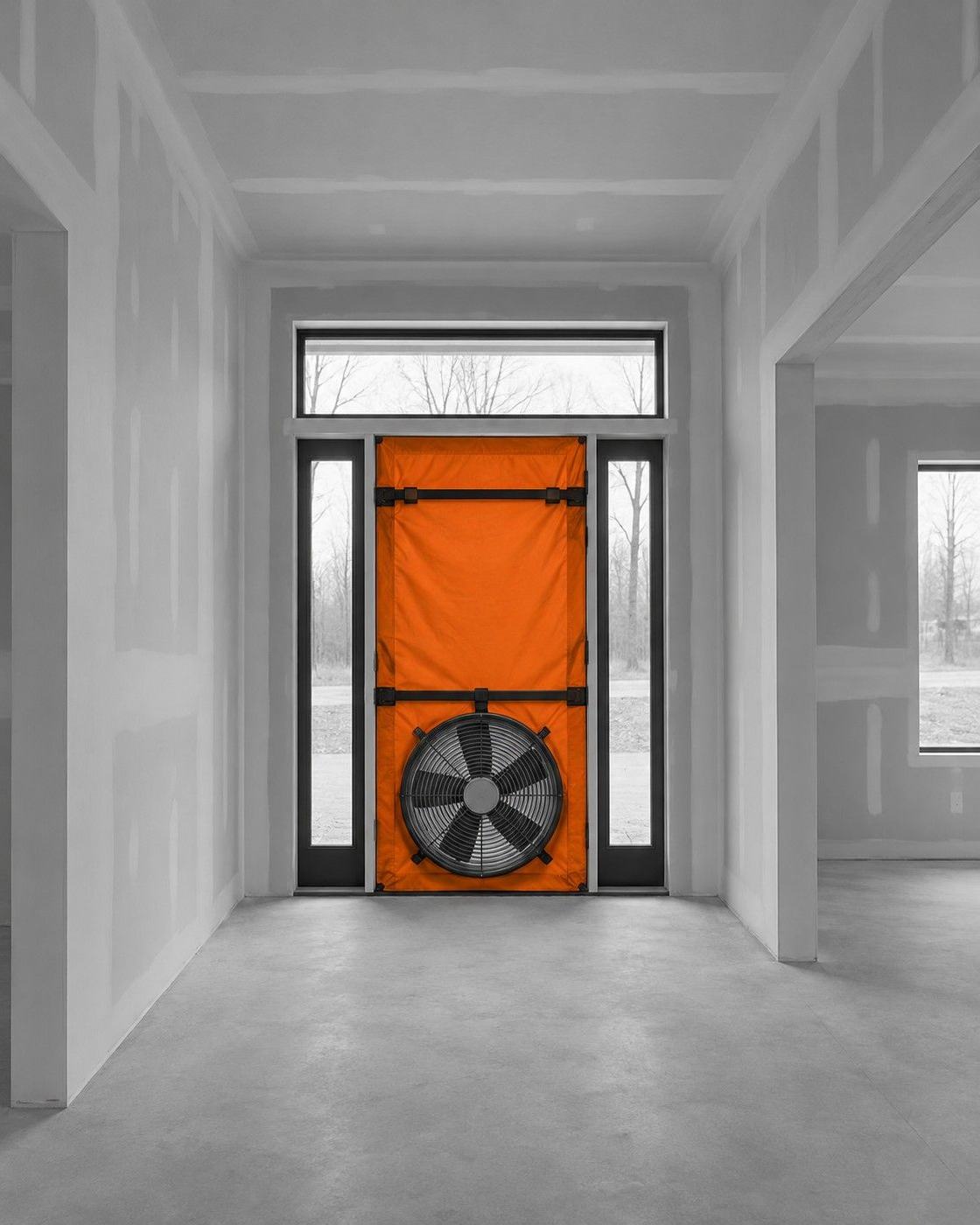
The BC Energy Step Code is easier to plan for when you read it as three test results.
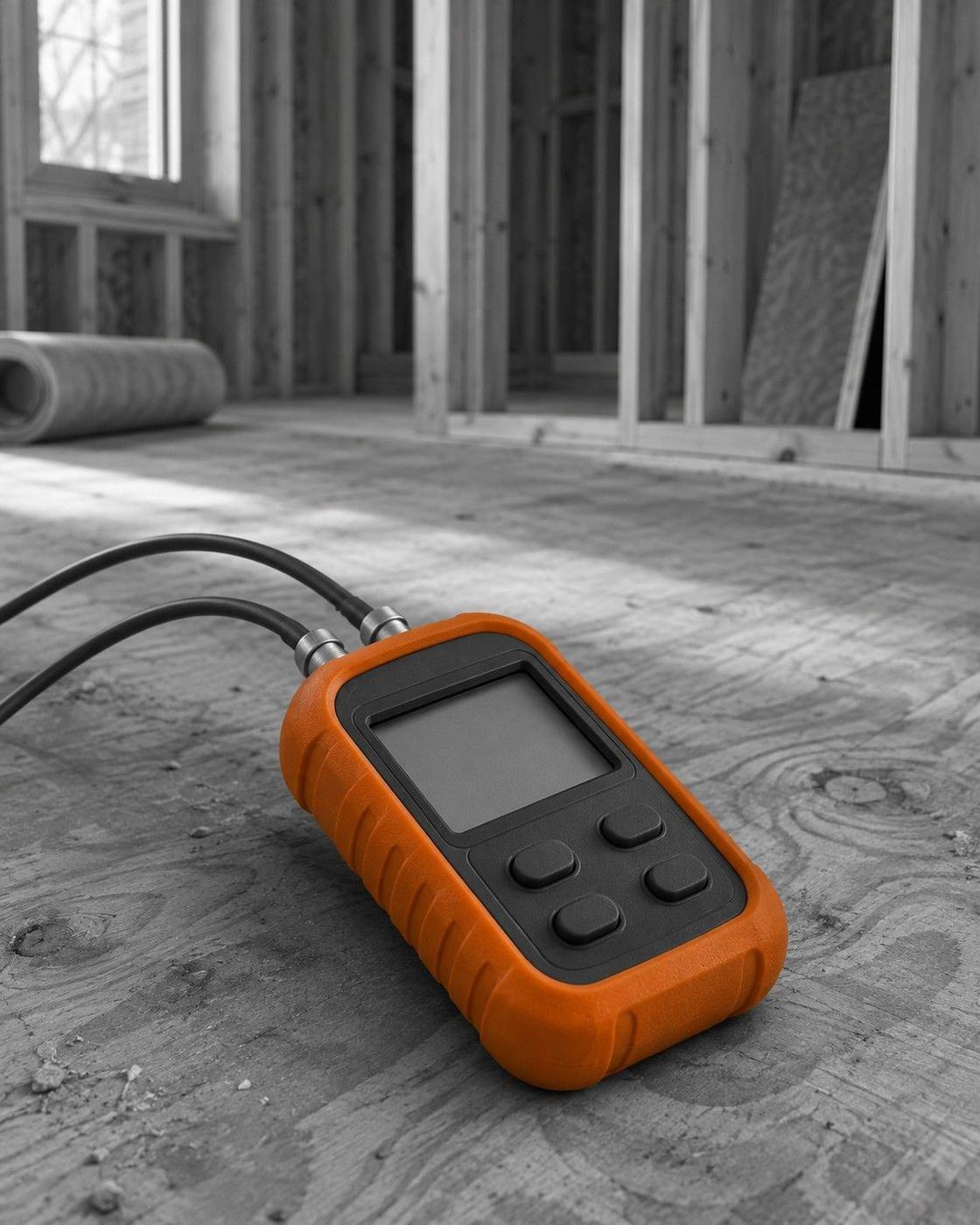
- Step 3: up to 2.5 ACH50 and at least 20% less energy than the EnerGuide reference house.
- Step 4: up to 1.5 ACH50 and at least 40% less energy.
- Step 5: up to 1.0 ACH50, plus limits on thermal energy demand (TEDI) and mechanical energy use (MEUI).
Two things follow for anyone planning a duplex or multiplex. First, the step is set before design: it drives wall assemblies, windows, ventilation and the size of the heat pump. Second, the blower door test at the end checks what was built, so air-barrier details have to be on the drawings, not improvised on site.
Envelope first, equipment second. A tighter shell lowers heating demand, which lets a smaller heat pump do the job.
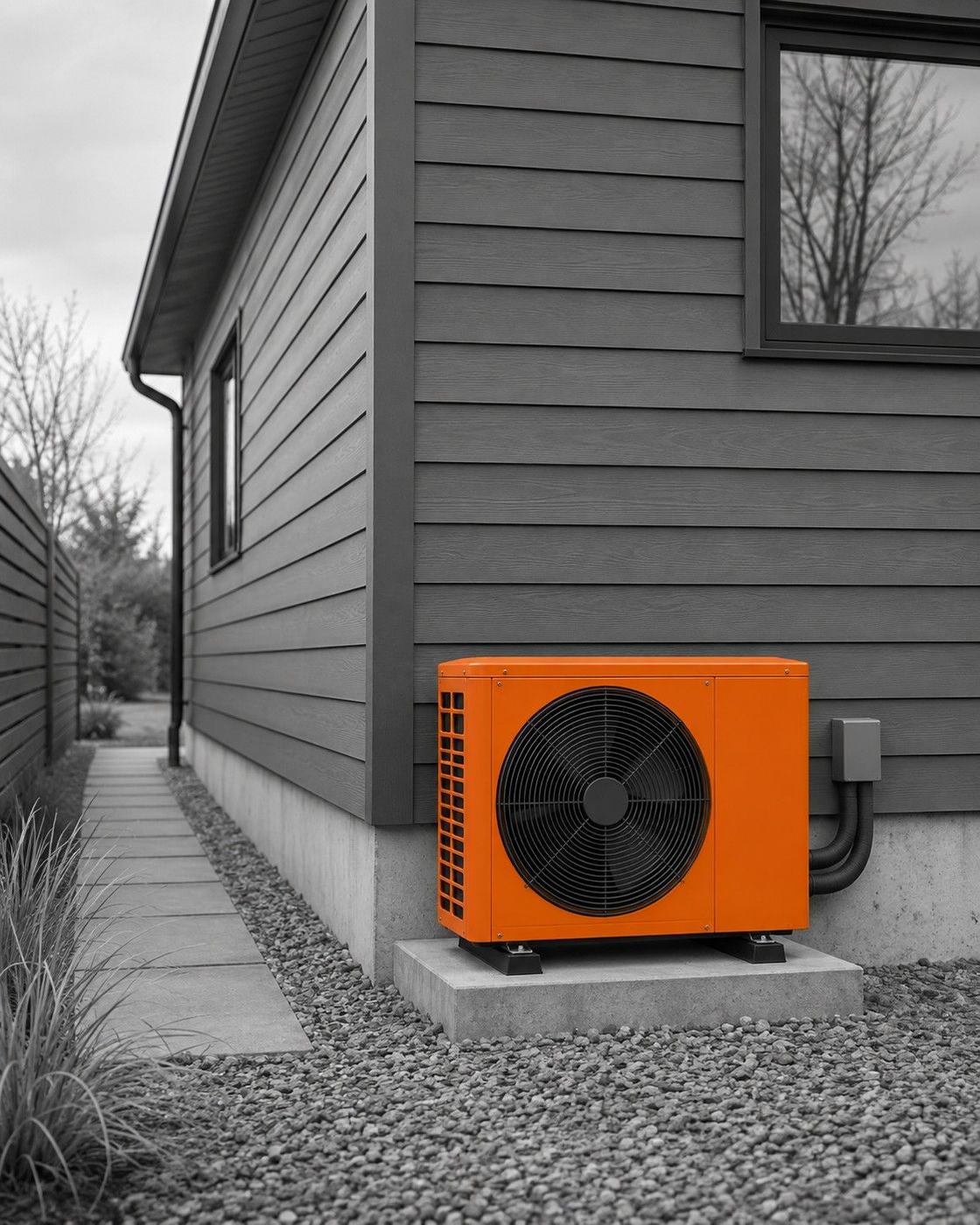
The Province's stated goal is net-zero energy ready new buildings by 2032.
Send the address and we’ll run a free desktop check of what it appears to allow, within two business days.
Request a lot check →BC Building Code, Part 9 energy step requirements (www2.gov.bc.ca, BC Energy Step Code page); energystepcode.ca (Part 9 metrics: TEDI, MEUI, ACH50); CleanBC, "Net-zero energy ready by 2032" (cleanbc.gov.bc.ca); Health Canada, Guide to addressing moisture and mould indoors (30% to 50% relative humidity).
General information, checked Nov 9, 2026. Rules change and differ by municipality; confirm for your lot before relying on it. Not legal, tax or financial advice.